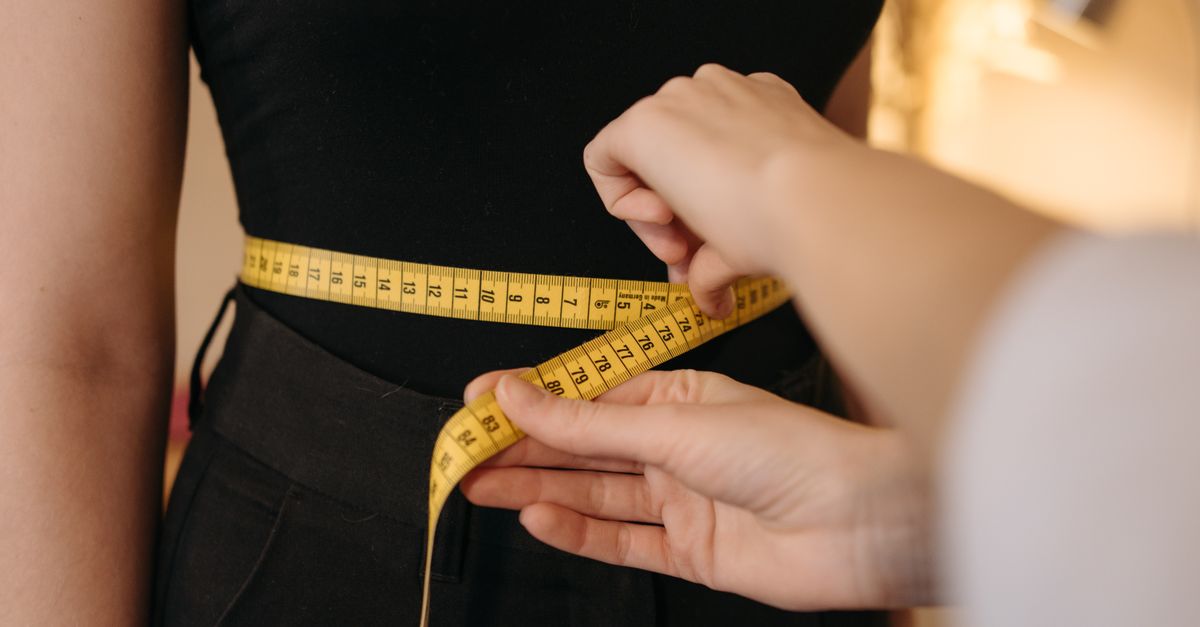
How Do I Increase Average Order Value in an Apparel Store Without Raising Ad Spend?
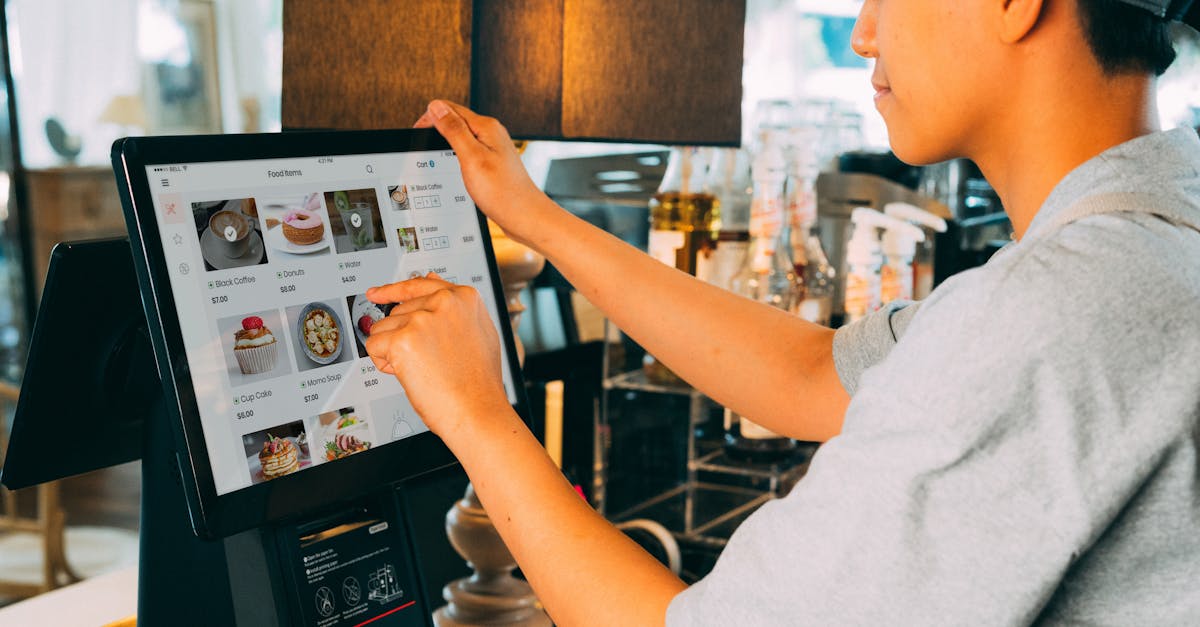
The best way to increase AOV without more ad spend is to improve what happens on the product page
The best way to lift average order value without buying more traffic is to get more value out of the traffic you already have. For apparel stores, that usually starts on the product page, where shoppers decide three things fast: Do I want this, which variant should I pick, and do I trust this enough to add something else too?
A lot of store owners jump straight to bundles or discounts. Those can work. But if a shopper is still stuck on size, the bundle does not matter yet.
That is the part worth fixing first in your OpoShop store. If sizing uncertainty is holding back add-to-cart rate, a fit finder on the product page can remove hesitation before it turns into a smaller order or no order at all.
If you want to see what that kind of product-page fix looks like in a real OpoShop setup, this is a good next step.
What is average order value in an apparel store?
Average order value is the average amount a shopper spends each time they place an order. The formula is simple:
Average order value = total revenue / total number of orders
In apparel, average order value is shaped by product page behavior more than a lot of merchants realize. Size selection, color selection, confidence in fit, and the ease of adding a second item all affect how large the basket gets.
A shopper on a jacket page in your OpoShop store might want the item, but still pause at the size dropdown. If the shopper is unsure which variant to choose, that hesitation can shrink the order. Instead of buying the jacket and socks, the shopper buys only the socks. Or leaves.
So AOV is not only about getting shoppers to add more. In fashion, AOV is also about removing the friction that stops high-intent shoppers from completing the fuller purchase they were already close to making.
Why does average order value matter when ad spend stays flat?
Average order value matters more when ad spend stays flat because it lets you grow sales from the same traffic. If your OpoShop store already gets visitors, AOV is one of the cleanest ways to make each visit worth more.
That matters for a simple reason. If paid traffic costs stay the same, every extra dollar per order improves the math of the whole store. You do not need more clicks to get more out of the clicks you already paid for.
This is especially true for apparel and footwear merchants. Wrong-size hesitation hurts conversion, hurts basket size, and often creates returns later. So the work that improves AOV can also reduce the cost of wrong-size orders at the same time.
A lot of founders ask, "Should I focus on conversion or AOV?" In apparel, those are often tied together. A shopper who feels sure about fit is more likely to add to cart, more likely to add a second item, and less likely to buy the cheapest low-risk option just to avoid making the wrong call.
How do you increase average order value without raising ad spend?
You increase average order value without raising ad spend by improving sizing confidence, making variant choice easier, offering relevant add-ons, using thresholds carefully, and removing friction before checkout. The order matters here. Fix hesitation first, then layer in cart-building tactics.
Here is what that looks like.
1. Reduce sizing hesitation on the product page
Sizing hesitation is one of the fastest ways to lose order value in fashion. A shopper who does not know whether to pick medium or large often delays the whole purchase.
This is where static size charts fall short in many OpoShop stores. A chart gives information. A fit recommender helps a shopper act.
A stronger setup is a fit finder flow on the product page. The shopper answers a few quick questions, gets a size recommendation with a confidence level, and sees the matching variant auto-selected. That removes a decision step right when the shopper is most likely to stall.
2. Make the next item feel relevant, not random
Cross-sells work best when they feel like a natural extension of the product already in front of the shopper. A tee can lead to a second tee, a matching short, or a care item. A running shoe can lead to socks or insoles. Relevance matters more than volume.
Weak: "You may also like" with four unrelated items.
Stronger: "Complete the set" with one matching short and one sock option placed near the add-to-cart area.
That difference sounds small. It is not. Relevant suggestions feel helpful. Random suggestions feel like clutter.
3. Use thresholds without training shoppers to wait for discounts
Free shipping thresholds can increase basket size when the gap feels reachable. If a shopper has $72 in cart and free shipping starts at $85, adding one accessory can feel easy.
Discount ladders are trickier. If your OpoShop store teaches shoppers to wait for 20% off before adding more, you can end up with bigger carts and weaker margins at the same time.
The cleaner move is to use thresholds sparingly and support them with products that actually belong together.
4. Remove friction before checkout
AOV drops when checkout starts feeling like work. If the shopper has to re-check the size chart, reopen the dropdown, or second-guess the fit after adding to cart, the order often gets smaller before it gets completed.
The smoother path is simple. Give the shopper confidence, pre-select the right variant, then keep the add-to-cart flow moving.
For OpoShop apparel and footwear stores, this is where SizeMe fits. Shoppers answer a few quick questions on the product page, get a size recommendation with confidence, and have the matching variant auto-selected. That helps remove the hesitation that blocks both conversion and basket size.
If your store is already getting traffic and the product page is where shoppers stall, this is the kind of fix worth looking at first.
Best ways to lift AOV in apparel: bundles, thresholds, upsells, and fit confidence compared
Bundles, thresholds, upsells, and fit confidence all raise AOV in different ways. The best choice depends on what is actually blocking orders in your store.
| Tactic | Best use case | What it helps | Where it falls short |
|---|---|---|---|
| Bundles | Products that naturally go together | Raises basket size fast | Fails if the shopper is still unsure about size |
| Free shipping thresholds | Stores with affordable add-on items | Encourages one more item | Can feel forced if the threshold is too high |
| Product page upsells | Strong product pairings near add-to-cart | Adds relevant extras | Hurts conversion if suggestions are random |
| Fit confidence tools | Apparel and footwear with size hesitation | Improves variant selection, conversion, and order quality | Needs to be built into the product page flow |
Fit confidence does not compete with bundles or upsells. Fit confidence supports them. A shopper who trusts the size recommendation is much more open to adding the second item.
That is why product page improvements usually come first. If your OpoShop store has clear signs of size hesitation, fixing that gives every other AOV tactic a better chance of working.
Common mistakes apparel stores make when trying to raise AOV
Apparel stores usually miss AOV gains when they push harder on offers before fixing hesitation. That sounds backward, but it happens all the time.
One mistake is pushing discounts too early. If the first answer to every conversion problem is a bigger offer, shoppers learn to wait. The cart gets bigger, but the business gets weaker.
Another mistake is adding irrelevant upsells. A product page loaded with random suggestions does not feel helpful. It feels noisy.
A third mistake is relying on size charts alone. Size charts are useful, but they still leave the shopper doing the translation work. In apparel and footwear, that is often the moment where the order shrinks.
The last mistake is ignoring wrong-size friction because returns happen later. Wrong-size friction starts much earlier than the return. It starts on the product page, right when the shopper is deciding whether to commit.
What we recommend for OpoShop apparel and footwear stores
For most apparel and footwear stores on OpoShop, we would start by reducing sizing uncertainty on the product page before adding more aggressive AOV tactics. That means giving shoppers a clear recommendation, showing confidence in that recommendation, and auto-selecting the matching variant so the path to add-to-cart feels obvious.
This matters most if your store already has traffic, decent product interest, and a lot of hesitation around size choice. In that situation, bundles and thresholds can help, but they work better after the shopper trusts the fit.
A fit finder closes the gap between a static size chart and a real recommendation. That gap is where a lot of apparel revenue gets lost in OpoShop stores.
Best answer: Start with the product page. If shoppers are unsure which size to buy, average order value will stay capped no matter how many bundles, upsells, or shipping thresholds you add. A fit finder that recommends the right size, shows confidence, and auto-selects the matching variant gives existing traffic a better chance to convert into larger, cleaner orders.
FAQs
What is a good way to increase average order value without spending more on ads?
A good way to increase average order value without spending more on ads is to improve the product page so existing visitors buy with more confidence. In apparel, that usually means better size guidance, stronger product pairings, and less friction between variant selection and checkout.
Can a fit finder help increase average order value in apparel?
Yes. A fit finder can increase average order value in apparel because shoppers who feel sure about size are more likely to add the main item, add a second item, and complete the order without backing off to a lower-risk purchase.
Should I use bundles or free shipping thresholds first?
Start with the tactic that matches the real problem in your store. If shoppers are hesitating on size, fix fit confidence first. If shoppers already convert well and just need a nudge to add one more item, a reachable free shipping threshold is often the simpler first test.
Will adding a fit quiz hurt product page conversion?
No, not if the fit quiz is short and placed well on the product page. A few quick questions that lead to a size recommendation and auto-selected variant usually remove friction instead of adding it.
How do I know if sizing issues are limiting revenue in my store?
Sizing issues are probably limiting revenue if shoppers spend time on product pages but do not add to cart, if size-chart views are high, if returns cluster around fit problems, or if shoppers buy lower-risk items instead of higher-value pieces. In a OpoShop store, those signals usually show up in product page behavior, return reasons, and weak conversion on size-sensitive products.
Summary: Increase AOV by making shoppers more confident before they add to cart
The cleanest way to increase average order value in an apparel store without raising ad spend is to make existing traffic convert better on the product page. In fashion, bigger orders usually follow confidence.
If shoppers do not know which size to choose, every other tactic has to work harder. Fix that first. Then layer in relevant add-ons, bundles, and thresholds that make sense for the product.
If you want to see whether SizeMe can help your store increase conversion quality and reduce wrong-size orders, this is the next move.