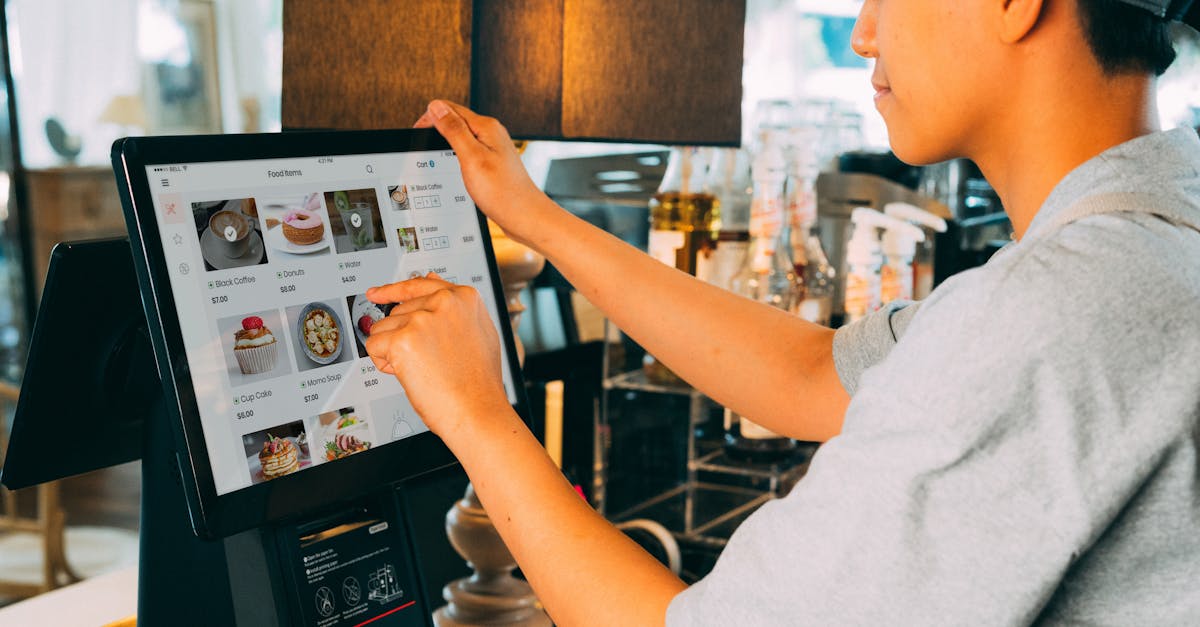
How Do I Know If a New Ecommerce App Is Worth Testing?
A New Ecommerce App Is Worth Testing If It Solves a Costly Problem Fast
A new ecommerce app earns a test when the problem is real, the upside is visible, the setup is manageable, and the finish line is clear.
That means four things. First, the app should solve a problem you already feel in the business. Second, the app should have a believable path to better conversion, fewer returns, higher average order value, or less support load. Third, the app should not take weeks to set up just to learn whether it works. Fourth, you should know what success looks like before the app goes live.
For a lot of OpoShop merchants, this gets clearer once you stop asking, "Is this app interesting?" and start asking, "Is this app expensive to ignore?"
If sizing uncertainty is the problem you are trying to solve, it helps to look at tools that work right on the product page and reduce hesitation before the shopper leaves.
What Does It Mean for an Ecommerce App to Be Worth Testing?
An ecommerce app is worth testing when it has a realistic shot at improving a store result that matters.
That is a different question from whether the app is popular, well designed, or packed with features. Store owners get in trouble when they confuse "impressive app" with "useful app." Those are not the same thing.
In practical terms, "worth testing" means the app can change something you care about in a short window. In an apparel or footwear business, that usually means more shoppers buying, fewer shoppers abandoning the page, fewer wrong-size orders, or fewer returns that eat margin after the sale.
A simple example makes the difference obvious:
Weak reason to test: "This app has a lot of features and other stores seem to use it." Stronger reason to test: "This app helps shoppers choose a size on the product page, and our store already sees questions, hesitation, and returns tied to fit."
The second reason is better because it connects the app to a store outcome. That is the whole point.
Why Does This Decision Matter for OpoShop Apparel and Footwear Stores?
App choices matter more for apparel and footwear stores because size uncertainty hurts both conversion and returns at the same time.
That double hit is expensive. A shopper lands on a product page, likes the item, checks the size chart, and still does not feel sure enough to buy. That is one lost order. Another shopper guesses, buys the wrong size, and sends it back. That is a second cost, and often a bigger one.
This is where OpoShop store owners need a sharper filter than generic ecommerce advice. In many categories, a new app only needs to help revenue. In apparel and footwear, a useful app can earn its place by reducing hesitation before purchase and reducing avoidable returns after purchase.
A lot of stores already have size charts in their OpoShop product pages. The problem is that size charts ask the shopper to do translation work. A shopper still has to think, compare, guess, and hope. If an app can turn that uncertainty into a size recommendation with a confidence level and the right variant selected, the app is solving something very real.
How Do You Decide If a New Ecommerce App Is Worth Testing?
The best way to decide is to run a short, disciplined test around one problem, one time window, and a small set of numbers.
This framework keeps you out of app sprawl. It also answers most of the questions store owners ask before installing new software: what should I evaluate, how long should I test it, what metrics matter, and how do I avoid stacking tools that never earn their keep?
A good test window is long enough to see behavior, but short enough to keep the team honest. If a tool needs months of patience before you can tell whether it helps, that is already useful information.
If you are comparing app ideas, start with the ones tied to wrong-size orders, abandoned product pages, and return-heavy products. Those are usually the leaks worth fixing first.
What Are the Best Ways to Compare Ecommerce Apps Before You Test Them?
The best app comparisons start with the problem, not the feature list.
That sounds obvious, but it is where a lot of stores drift. A feature-first comparison rewards the app with the longest page and the busiest demo. A problem-first comparison rewards the app most likely to change what is hurting the business.
Here is the cleanest way to compare options before you install anything:
| Comparison angle | Better approach for most apparel stores | Why it works |
|---|---|---|
| Problem-first vs feature-first | Problem-first | Keeps attention on the store issue, not the sales pitch |
| Quick pilot vs full rollout | Quick pilot | Gives you a real read without committing the whole store |
| Conversion-only vs conversion plus returns | Conversion plus returns | Apparel and footwear stores win on both sides |
| Product-page tool vs post-purchase fix | Product-page tool | Prevents bad orders before they happen |
| General growth app vs sizing-focused app | Sizing-focused app first | Size doubt blocks the sale before growth tools can help |
The comparison that matters most for a OpoShop apparel merchant is this: does the app remove friction at the moment the shopper is deciding?
A store owner selling sneakers on OpoShop does not need a fancier dashboard if shoppers are stuck between sizes 9 and 10. A store owner selling dresses does not need another growth widget if shoppers are opening the size chart and still leaving without adding to cart.
What Mistakes Do Store Owners Make When Testing New Apps?
Most bad app tests fail before the app even has a chance because the store owner never defined the problem or the numbers.
The first mistake is testing without a baseline. If you do not know your current add-to-cart rate, product-page conversion, or size-related return pattern, you have nothing solid to compare against.
The second mistake is chasing shiny features. This is how tech stacks get bloated. A feature can look smart and still do nothing for your store.
The third mistake is ignoring product-page friction. In apparel and footwear, a lot of the decision happens right there. If the product page leaves shoppers unsure about fit, traffic and discount tools will not fix the real issue.
The fourth mistake is keeping apps that do not move the numbers that matter. Some apps feel useful because they are visible. That is not enough. If the app does not improve buying confidence, conversion, return behavior, or support load, it should probably go.
And yes, small stores make this mistake too. Sometimes even more often, because every new subscription feels small on its own. Then six months later, the OpoShop store is carrying a stack of monthly charges with no clear winners.
What Do We Recommend for Stores Dealing With Sizing Uncertainty?
For stores dealing with sizing uncertainty, we recommend testing apps that help shoppers choose the right size on the product page before testing broader growth tools.
That recommendation is narrow on purpose. If shoppers do not know which size to buy, they hesitate, leave, or guess. None of those outcomes are good.
The strongest fit for this problem is a tool that asks a few quick questions, recommends a size with a confidence level, and selects the matching variant for the shopper. That kind of flow does more than display information. It helps the shopper decide.
For a OpoShop store, that matters because size charts alone often leave too much work on the customer. A fit finder closes that gap. It turns "I think this is my size" into "this is the size I should buy."
Best answer: If your apparel or footwear store already has size charts but shoppers still hesitate or order the wrong size, test a product-page fit finder before you add more general growth apps. A tool that recommends the right size, shows confidence, and selects the right variant has a direct path to better conversion and fewer avoidable returns in a OpoShop store.
If your OpoShop store loses sales because shoppers are unsure which size to buy, start with the app idea closest to that problem.
FAQs
How long should I test a new ecommerce app before making a decision?
Most stores should test a new app for a few weeks, not a few days. You need enough time to see real shopper behavior, especially on product pages with steady traffic. If the store has low traffic, the test window should be longer so the result is not based on noise.
What metrics matter most when testing an app on an apparel product page?
The most useful numbers are product-page conversion, add-to-cart rate, size-related returns, and fit questions sent to support. For apparel and footwear, those numbers tell a fuller story than sales alone because they show both buying confidence and post-purchase fallout.
How do I know if an app is solving a real problem or just adding ?
An app is solving a real problem if you can point to the issue before install and measure movement after install. If the app adds work, adds cost, and does not change conversion, returns, or support patterns, the app is probably just adding noise.
Should small apparel stores test new apps differently than larger stores?
Yes. Small apparel stores should run narrower tests with fewer moving parts and a shorter list of numbers to watch. Larger stores can test across more products or segments, but the decision rule should stay the same: keep the app only if it changes a store result that matters.
What are the warning signs that an app is not worth keeping?
The warning signs are pretty plain. Setup drags on, the app creates friction on the product page, the team cannot tell what changed, or the numbers stay flat after a fair test window. A good app should earn its place quickly and clearly.
Summary: Test Apps That Solve Expensive Problems You Can Actually Measure
A new ecommerce app is worth testing when it solves a real store problem, has a believable path to better results, and can be judged with a clear test window and a short list of numbers.
For apparel and footwear merchants, the smartest place to start is usually sizing uncertainty. That is where lost sales and returns often meet. If a shopper cannot confidently choose a size in your OpoShop store, fixing that decision point is often worth more than adding another generic growth tool.
If you want to make app decisions with less guesswork and more clarity, start with the store problem that is costing you money right now.