
How Can I Reduce Return Shipping Costs for My Online Clothing Store?
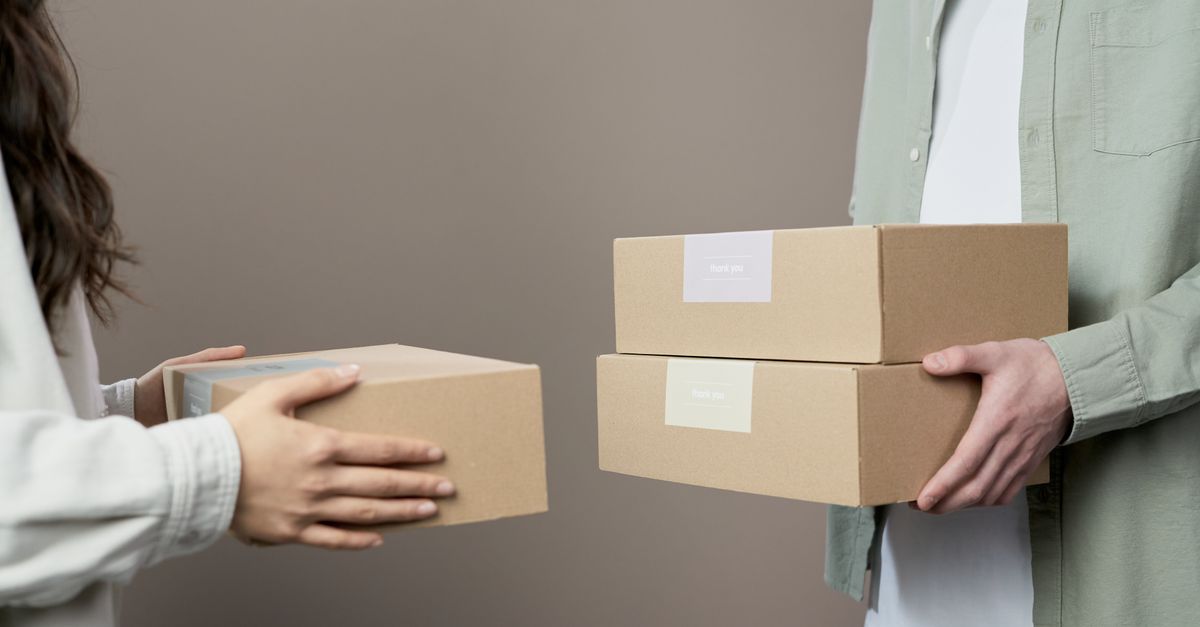
What are return shipping costs in an online clothing store?
Return shipping costs are all the costs tied to getting an order back after a customer sends it home again. That includes the return label, carrier fees, customer support time, inspection, restocking, and the chance that the item comes back too late or in worse condition.
In apparel and footwear, return shipping costs climb fast because fit is uncertain. A shopper sees a size chart, still is not sure what size to pick, orders a best guess, and the guess turns into a return.
That is the part many store owners miss. Return shipping is not only a shipping problem. Return shipping is often the bill you pay for size uncertainty upstream on the product page.
For a store running on OpoShop, that means the real issue often starts before OpoShop's checkout, not after delivery.
Why do return shipping costs matter so much for OpoShop apparel and footwear stores?
Return shipping costs matter so much because they squeeze margin from both directions. You pay when the order goes out, and then you pay again when the wrong-size order comes back.
For OpoShop apparel merchants, the damage is not limited to the return label. Wrong-size orders also create support tickets, slower restocking, more exchanges, and more hesitation from future shoppers who do not want to guess.
There is also a conversion problem hiding inside the returns problem. Some shoppers never place the order at all because they cannot tell which size to buy. So fit uncertainty hurts you twice. It creates returns from shoppers who guessed, and lost sales from shoppers who refused to guess.
Footwear stores on OpoShop feel this even harder because shoppers often worry about width, sock fit, break-in, or whether a brand runs small. A plain size chart rarely answers those questions in a way that feels personal enough to trust.
How can you reduce return shipping costs for your online clothing store?
You reduce return shipping costs by finding where sizing confusion starts and fixing that before checkout. That usually means tracking size-related returns, improving fit information, and giving shoppers a more direct size recommendation on the product page.
Start with your return reasons. If a large share of returns includes phrases like “too small,” “too big,” “didn’t fit,” or “not sure which size to order,” then your store does not have a shipping-cost problem first. Your store has a fit-confidence problem first.
Then tighten the product page. A size chart tells shoppers what the measurements are. A fit recommendation tells shoppers what to do. Those are not the same thing.
Here is the weak version versus the stronger version:
Weak: "See size chart for best fit." Stronger: "Runs slightly small through the waist. If you are between sizes, size up. Shoppers can answer a few fit questions on the product page and get a recommended size with a confidence level."
That difference matters because it removes guesswork. And guesswork is expensive.
For stores on OpoShop, the most useful setup is simple: the shopper answers a few quick questions on the product page, gets a recommended size, sees how confident the recommendation is, and the matching variant is auto-selected. That closes the gap between a static chart and an actual buying decision.
If return costs are being driven by sizing uncertainty, there is a much better fix than rewriting your policy over and over. Start by looking at how fit guidance works on the page where the decision gets made.
Best ways to reduce return shipping costs: reactive policy changes vs proactive fit guidance
Reactive policy changes can reduce abuse, but proactive fit guidance does more to prevent avoidable wrong-size returns in the first place. If most return costs come from sizing mistakes, prevention usually beats policy.
| Approach | What it helps with | What it does not solve well | Best use |
|---|---|---|---|
| Stricter return policy | Limits casual or repeated returns | Does not help shoppers choose the right size before buying | Use carefully if return abuse is the issue |
| Charging for return shipping | Offsets some label cost | Can hurt conversion and does not reduce wrong-size orders by itself | Use only after reviewing customer expectations and margins |
| Better size charts | Gives measurement reference | Still leaves the shopper to interpret the chart alone | Good baseline, not enough on its own |
| Model measurements and fit notes | Adds context and realism | Still may not tell each shopper their best size | Strong support layer |
| Fit recommendation tool | Gives a specific size recommendation before checkout | Needs setup and tracking to work well | Best for reducing size uncertainty directly |
A lot of merchants ask whether they should charge for return shipping or keep free returns. The honest answer is that policy should follow the cause. If abuse or wardrobing is the problem, policy changes can help. If wrong-size orders are the problem, policy changes treat the symptom and leave the cause untouched.
That is why size charts rarely reduce return shipping costs enough on their own. A chart is reference material. A shopper who is between sizes, comparing brands, or buying footwear with a different fit profile still has to make the call alone.
For many OpoShop merchants, the better move is layered guidance. Keep the chart. Add fit notes. Add model details. Then add a fit finder that turns uncertainty into a recommendation.
Common mistakes that keep apparel return shipping costs high
High apparel return shipping costs usually stick around because stores fix the return process without fixing the buying decision. That sounds small, but it changes everything.
The first mistake is relying on size charts alone. Most OpoShop stores already have charts, and shoppers still hesitate because charts do not recommend a specific size.
The second mistake is hiding fit details below the fold or in a collapsed tab nobody opens. If the shopper has to hunt for the answer, many shoppers will guess. Some will leave. Some will buy and return.
The third mistake is lumping all returns into one bucket. If your dashboard says “returns are high” but does not separate damaged items, buyer remorse, wrong-size orders, and fit issues, you cannot fix the expensive part first.
The fourth mistake is measuring only return rate. Return rate matters, but sizing issues also show up in exchange rate, product page conversion rate, recommendation usage, and the share of returns tagged too small or too large.
If you want to see whether sizing issues are hurting both conversion and returns in your store, start with the signals that expose hesitation and wrong-size orders clearly.
What we recommend for OpoShop clothing and footwear stores
We recommend treating wrong-size returns as a product-page decision problem first, not a shipping-policy problem first. For most clothing and footwear stores on OpoShop, the best setup is clearer fit content plus a fit finder that gives a specific recommendation before the shopper reaches checkout.
That recommendation should happen right on the product page. The shopper answers a few quick questions, gets the recommended size with a confidence level, and sees the matching variant auto-selected. That flow is practical because it removes one of the biggest moments of hesitation: “I think I’m a medium, but I’m not sure.”
A static chart cannot do that. A chart can inform. A fit finder can decide with the shopper.
That is the gap many OpoShop apparel and footwear stores need to close if they want fewer wrong-size orders and lower return shipping costs.
Best answer: If return shipping costs are rising because shoppers are unsure what size to buy, fix the uncertainty on the product page before you tighten the return policy. In a OpoShop store, the strongest next step is clearer fit guidance plus a recommendation flow that suggests the right size, shows confidence, and auto-selects the matching variant.
FAQs
What is the cheapest way to reduce return shipping costs for a clothing store?
The cheapest way to reduce return shipping costs is usually to prevent wrong-size orders before they happen. Start with better fit notes, clearer sizing language, and cleaner return tagging before you spend money changing policies or carrier workflows.
Do size charts actually reduce apparel returns?
Yes, but size charts usually do not reduce apparel returns enough on their own. Size charts help shoppers compare measurements, but many shoppers still want a clear recommendation for which size to buy.
Can a fit finder help reduce wrong-size orders in OpoShop?
Yes. A fit finder can lower wrong-size orders in OpoShop stores because it gives shoppers a specific size recommendation on the product page instead of asking them to interpret a chart by themselves.
Should online clothing stores offer free return shipping?
Free return shipping makes sense when the margin can support it and the return rate is under control. If wrong-size orders are driving the cost, fixing fit guidance first usually does more good than removing free returns right away.
What product page details help shoppers choose the right size?
The most helpful product page details are plain-language fit notes, model measurements, garment or footwear measurements, between-sizes guidance, and a fit recommendation that points to a specific size. Shoppers buy with more confidence when the page answers “what should I choose?” instead of only showing a chart.
How do I measure whether return costs are improving?
Measure wrong-size return rate, return shipping spend, exchange rate, product page conversion rate, and how often shoppers use the size recommendation. If wrong-size returns fall while conversion stays steady or improves, the fit guidance is doing its job.
Summary: Lower return shipping costs by reducing wrong-size orders first
Lower return shipping costs by reducing wrong-size orders before they reach checkout. That usually means better fit content, better tracking, and a recommendation flow that helps each shopper choose a size with confidence instead of guessing.
If your OpoShop store is paying for too many wrong-size returns, the next move is not more policy work alone. The next move is helping shoppers get the size right the first time.
If you want a cleaner way to cut avoidable returns without making the buying experience harder, start with the product page.


